Deal of the day
Pants
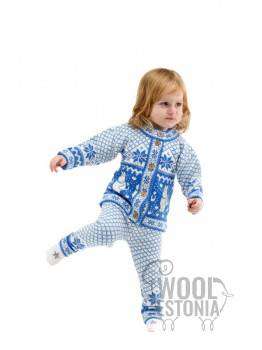
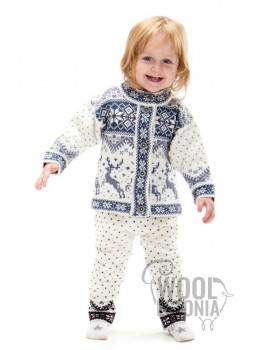
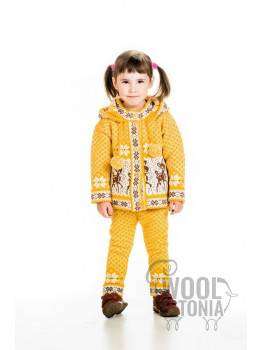
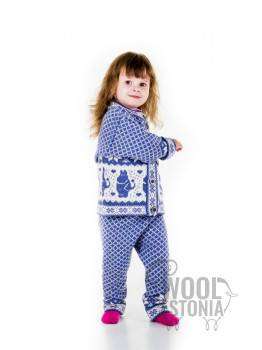
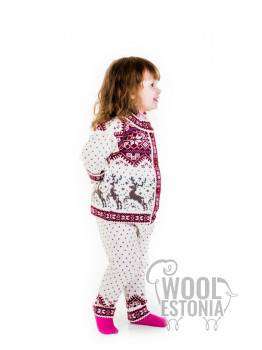
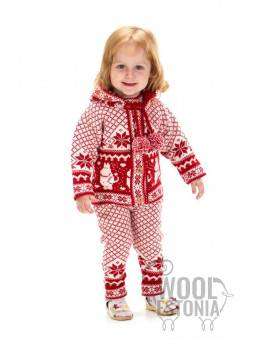
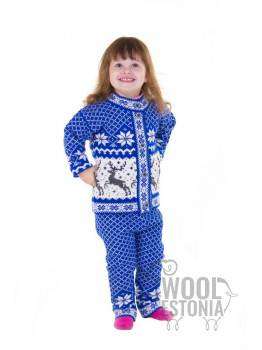
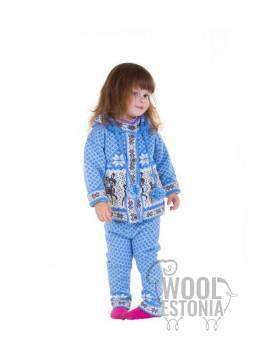
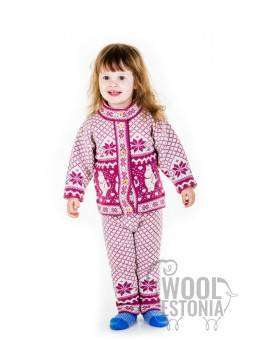
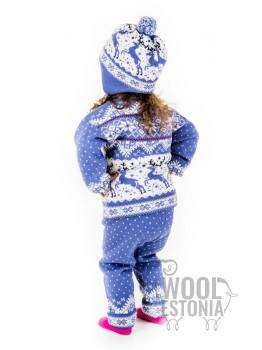
Compare children's wool trousers and underlayers by waist, length and intended role. Loose trousers and a garment intended beneath another layer are not interchangeable simply because they share a fibre. Check the waist while seated, knee room and cuff position. The children's wool trouser guide develops these points. Explore sweaters for the to...
Compare children's wool trousers and underlayers by waist, length and intended role. Loose trousers and a garment intended beneath another layer are not interchangeable simply because they share a fibre. Check the waist while seated, knee room and cuff position. The children's wool trouser guide develops these points. Explore sweaters for the top and socks around the lower edge. Material name alone cannot establish a universal wearing temperature; consider the complete outfit and use conditions.
Compare measurements in your usual outfit
Lay a suitable garment flat and compare it with the model's dimensions using identical start and finish points. Garment width and body circumference are different measurements. Assess fit with the intended base layer: sit, raise your arms and check edge positions. Layering requires room without unnecessary bulk at bending points. Read the complete composition because a category name groups items rather than establishing one material for every model. Request missing dimensions and the measuring method before ordering. Do not transfer another product's measurements simply because it has a similar photograph or size label.
Caring for the item
Keep the care instructions from the product page and label. Washing and drying depend on the individual model rather than wool percentage alone. Check that you can follow them before ordering. Allow suitable space if flat drying is required. Do not use washing to correct an unsuitable size.
Useful sections
Clothing sizes and measurements · Caring for wool clothing · Order delivery and returns