Benefits of Wearing Merino Wool Jumpers
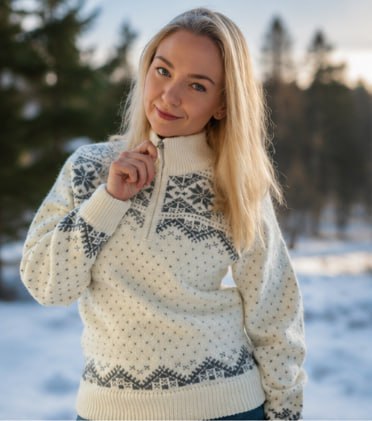 When temperatures begin to fall, choosing the right knitwear can make a significant difference to everyday comfort. A good jumper should keep you warm without feeling heavy, remain comfortable for hours, and work with different outfits and changing weather conditions. This is exactly why merino wool jumpers have become a popular choice for people looking for natural, practical, and timeless clothing.
Merino wool is known for its exceptionally fine fibers, softness, temperature-regulating properties, and ability to manage moisture. Unlike many traditional wool garments, a high-quality merino wool sweater can be worn comfortably close to the skin while providing excellent insulation.
Whether you are searching for a lightweight everyday jumper, a warm wool cardigan, or an elegant woolen pullover for women, merino wool offers a combination of comfort and functionality that is difficult to achieve with many synthetic alternatives.
In this guide, we explore the main benefits of wearing merino wool jumpers, explain what makes merino different from conventional wool, and look at why these garments can be a valuable addition to a modern wardrobe.
What Is Merino Wool?
Merino wool is a natural fiber obtained from Merino sheep, a breed famous for producing particularly fine and soft wool. The diameter and structure of these fibers are important because they influence how the finished garment feels against the skin.
Traditional coarse wool can sometimes feel rough or itchy. Fine merino fibers are much more flexible and can bend when they come into contact with the skin. As a result, quality merino knitwear generally feels softer and more comfortable.
This makes merino suitable for much more than thick winter clothing. It can be used to produce lightweight sweaters, cardigans, base layers, dresses, scarves, and other garments designed for different seasons.
A merino wool jumper combines the natural insulating qualities associated with wool with a softer, lighter feel suitable for everyday wear.
1. Merino Wool Provides Excellent Warmth
Warmth is one of the main reasons people choose wool clothing.
Merino fibers have a naturally crimped structure that helps create tiny pockets of air within the fabric. These air pockets act as insulation, helping to reduce heat loss and maintain a comfortable temperature around the body.
The important advantage is that merino does not necessarily need to be extremely thick to provide useful insulation. A relatively lightweight merino wool sweater can offer impressive warmth without the bulk associated with some traditional winter garments.
This makes merino knitwear particularly convenient for layering. A jumper can be worn under a coat during winter or used as an outer layer during milder autumn and spring weather.
For people who want warmth without excessive weight, merino wool is an excellent natural option.
2. Natural Temperature Regulation
One of the most useful characteristics of merino wool is its ability to help regulate body temperature.
Clothing does not only need to keep us warm. It also needs to prevent overheating when we move between different environments.
Consider a typical winter day: you may walk outside in cold weather, enter a heated car, spend time in a warm office, visit shops, and then return outdoors. A garment that is comfortable only in one temperature can quickly become inconvenient.
Merino wool responds particularly well to these changing conditions.
Its fibers help retain warmth when the environment is cold while allowing heat and moisture to escape when the body becomes warmer. This natural thermoregulation is one reason merino is widely used for both everyday clothing and outdoor apparel.
A well-made merino wool sweater using fine merino fibers can therefore feel comfortable across a surprisingly broad range of temperatures.
3. Merino Wool Is Naturally Breathable
Breathability is closely connected with temperature regulation.
Synthetic fabrics can sometimes trap heat and moisture between the clothing and the skin. Merino wool behaves differently because its fibers can absorb water vapor and gradually release it into the surrounding air.
This helps create a more comfortable microclimate around the body.
Breathability is especially valuable when wearing a jumper for long periods. A wool sweater made from breathable natural fibers may feel more comfortable when moving between indoor and outdoor environments than a garment that traps moisture easily.
It is also one reason merino knitwear works well for layering. Instead of simply creating a thick barrier around the body, the fibers continue to interact with moisture and air.
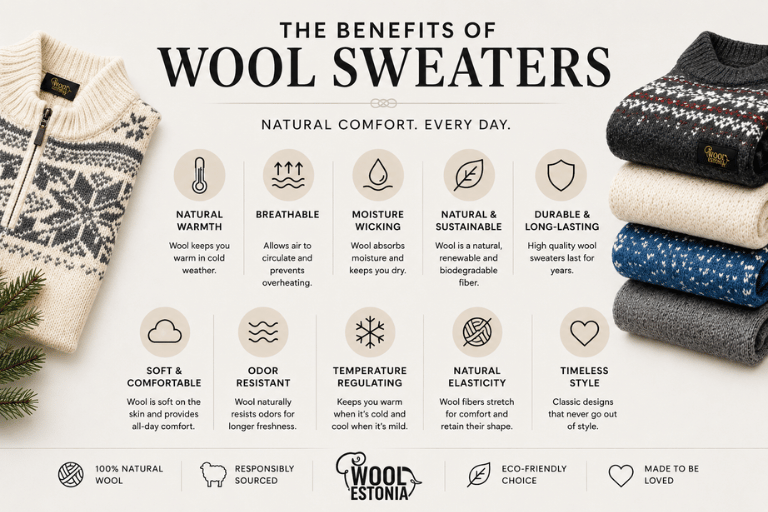 4. Soft and Comfortable Against the Skin
Many people associate wool with itching. This reputation largely comes from garments made using thicker and coarser wool fibers.
Merino wool can be considerably softer.
Fine merino fibers bend more easily when they touch the skin, reducing the prickly sensation often associated with conventional wool. High-quality merino knitwear can therefore be suitable for garments that are worn directly over a T-shirt or, depending on personal sensitivity, directly against the skin.
Softness is particularly important when selecting a woolen pullover for women, where comfort, fit, and the way a fabric drapes can be just as important as warmth.
The combination of softness and insulation allows merino sweaters to provide comfort without requiring extremely thick fabric.
5. Effective Moisture Management
Your body continuously releases moisture, even when you are not exercising. Clothing that cannot manage this moisture effectively may begin to feel damp or uncomfortable.
Merino wool fibers can absorb a significant amount of moisture vapor before the fabric begins to feel wet.
The absorbed moisture can then gradually evaporate when conditions allow.
This characteristic makes a merino wool sweater useful not only for cold winter days but also for travel, walking, work, and other situations where activity levels and temperatures change throughout the day.
Good moisture management also contributes to another important advantage of merino: odor resistance.
6. Merino Wool Naturally Resists Odors
Nobody wants a favorite sweater to require washing after every use.
Merino wool is particularly useful in this respect because its moisture-management properties create a less favorable environment for the buildup of odors compared with many fabrics that retain sweat on their surface.
As a result, merino garments can often be aired between wears rather than immediately washed.
This makes wool sweaters especially practical for traveling. Packing one or two versatile merino jumpers can reduce the number of garments you need to take with you.
Less frequent washing can also help extend the useful life of a garment, provided that it is cared for correctly.
7. Lightweight Without Sacrificing Warmth
Winter clothing does not have to be bulky.
One of merino wool's most attractive characteristics is its warmth-to-weight performance. Fine fibers can provide effective insulation while allowing manufacturers to create relatively thin and lightweight garments.
A lightweight merino wool jumper can therefore be useful in many situations.
It can fit comfortably under a winter coat, be packed into a suitcase without occupying excessive space, or be worn independently during transitional seasons.
This versatility makes merino particularly appealing to people building a smaller wardrobe around garments that can perform several functions.
8. Merino Wool Is Excellent for Layering
Layering is one of the most effective ways to dress for changing temperatures.
Instead of relying on one extremely heavy garment, several lighter layers allow you to adjust your clothing throughout the day.
Merino wool works particularly well as part of such a system.
For example, you can combine a lightweight shirt or base layer with a merino wool sweater and add a coat or jacket when going outdoors. When you enter a warmer environment, the outer layer can be removed while the jumper remains comfortable.
A wool cardigan offers even greater flexibility because it can easily be opened or removed as temperatures change.
For travel and everyday urban life, this adaptability can be extremely useful.
9. A Timeless Addition to Your Wardrobe
Fashion trends change quickly, but classic knitwear rarely disappears.
Simple merino sweaters and cardigans can remain stylish for many seasons because their appeal depends more on material, fit, color, and craftsmanship than short-lived trends.
A classic crew-neck merino jumper can be paired with jeans for a relaxed outfit or worn with trousers and a shirt for a more polished appearance.
A wool cardigan provides similar versatility and can work with casual, professional, and smart-casual wardrobes.
For women, a carefully selected woolen pullover for women can be combined with trousers, skirts, denim, or layered over dresses.
Choosing timeless designs also makes it easier to build a wardrobe in which individual pieces work together.
10. Merino Wool Can Be Worn Across Multiple Seasons
Although wool is strongly associated with winter, merino is not necessarily a winter-only material.
Different knit weights make it suitable for different temperatures.
Heavy knitwear provides additional insulation during the coldest months, while lightweight merino can be useful during autumn, spring, cool summer evenings, and travel.
This versatility comes from the same characteristics discussed earlier: breathability, moisture management, insulation, and temperature regulation.
Instead of purchasing clothing that is useful for only a few weeks each year, choosing adaptable wool sweaters can provide more opportunities for regular wear.
11. A Natural Fiber
Merino wool is a natural animal fiber rather than a petroleum-based synthetic material.
For consumers who prefer natural textiles, this can be an important consideration when choosing clothing.
Wool is also renewable because sheep naturally produce a new fleece. The broader environmental impact of an individual garment, however, depends on many factors, including farming practices, manufacturing, transportation, garment quality, how frequently it is worn, and how it is eventually disposed of.
Therefore, simply describing any garment as "natural" does not automatically make it sustainable.
A better approach is to consider the entire lifespan of the product. A high-quality merino wool sweater that is worn frequently and cared for over many years may offer much greater long-term value than several low-quality garments that need frequent replacement.
12. Merino Wool Is Suitable for Travel
Merino wool has developed a particularly strong reputation among travelers.
There are several reasons for this.
It provides warmth without requiring excessive bulk, manages moisture effectively, resists odors, and can often be worn several times before washing becomes necessary.
A neutral merino jumper can also be used for different occasions during the same trip. It may work for sightseeing during the day and still look appropriate for dinner in the evening.
A lightweight wool cardigan is another useful travel garment because it is easy to put on or remove in airports, airplanes, restaurants, and other environments where temperatures can change quickly.
For travelers trying to pack lighter, versatile merino clothing can help reduce unnecessary luggage.
13. Suitable for Casual and More Formal Outfits
The appearance of fine merino knitwear is another advantage.
Compared with very thick or highly textured traditional wool, fine merino can create a smooth and refined silhouette. This allows it to work in settings where casual outdoor clothing may not be appropriate.
For example, a fine-gauge merino sweater worn over a collared shirt can create a professional look without the formality of a suit jacket.
Similarly, a fitted woolen pullover for women can be combined with tailored trousers or a skirt for an elegant everyday outfit.
This ability to move between casual and smarter settings increases the practical value of quality merino knitwear.
Merino Wool vs Regular Wool: What's the Difference?
Both merino and conventional wool share many natural characteristics, including insulation and moisture management.
The major difference is generally fiber fineness.
Merino sheep produce particularly fine fibers, which can result in softer fabrics. Coarser types of wool may feel more textured and can be better suited to heavy outerwear, blankets, or traditional knitwear.
Neither type is automatically better for every purpose.
If you want a thick, rugged winter sweater, conventional wool may be an excellent choice. If softness, low weight, layering, and next-to-skin comfort are priorities, merino may be more suitable.
When comparing wool sweaters, it is therefore important to look beyond the word "wool" and consider the actual fiber, knit, garment weight, construction, and intended use.
How to Choose a Merino Wool Jumper
Not every merino garment is identical. Before purchasing one, consider how and where you expect to wear it.
Start by checking the fiber composition. Some garments are made from 100% merino wool, while others use blends. Blended fabrics are not necessarily inferior—they may be designed to improve durability, elasticity, shape retention, or ease of care.
Next, consider the knit weight.
A fine merino sweater is ideal for layering and indoor use, while a thicker jumper provides greater insulation for cold conditions.
Fit is equally important. A close-fitting jumper can work well underneath jackets and coats, while a relaxed fit creates a more casual appearance.
Finally, examine the finishing and construction. Seams, cuffs, collars, buttons, and overall knitting quality can strongly influence how well the garment performs over time.
How to Care for Merino Wool Sweaters
Correct care helps maintain the appearance, shape, and softness of merino knitwear.
Always begin by checking the care label because washing instructions can vary between manufacturers.
Many merino garments can be washed using a gentle wool cycle at a low temperature, while others may require hand washing. A detergent suitable for wool is generally preferable to aggressive conventional detergents.
Avoid unnecessarily high temperatures and strong agitation, which can cause wool fibers to shrink or felt.
After washing, reshape the garment carefully and allow it to dry according to the manufacturer's instructions. Knitwear is often better dried flat rather than hanging while wet, because the weight of the water can stretch the fabric.
Proper storage is also important. Folding wool sweaters rather than leaving them on hangers for extended periods can help preserve their shape.
Are Merino Wool Jumpers Worth It?
For many people, yes.
A good merino jumper combines several characteristics that are difficult to find in a single garment: warmth, breathability, softness, moisture management, odor resistance, low weight, and versatility.
The initial price can be higher than that of a basic synthetic sweater, but purchase price alone does not determine value.
Consider how often you will wear the garment and how long you expect to keep it.
A well-chosen sweater that becomes a regular part of your wardrobe for several years can offer better value than cheaper clothing that is rarely worn or quickly replaced.
Quality should therefore be evaluated in terms of materials, construction, comfort, design, and expected lifespan.
Build a More Versatile Wardrobe with Merino Wool
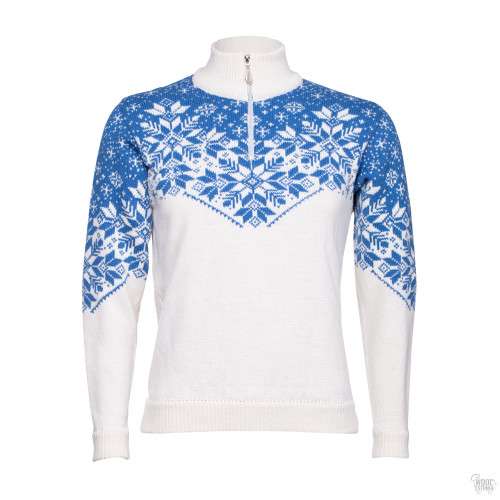 Merino wool has earned its reputation as one of the most versatile natural fibers used in modern clothing.
A merino wool sweater can provide warmth on cold winter mornings while remaining breathable enough for indoor environments. A lightweight jumper can accompany you through autumn and spring, while a classic wool cardigan can become a practical layering piece throughout much of the year.
For anyone looking for comfortable, functional, and timeless knitwear, merino deserves serious consideration.
Instead of focusing only on how thick a sweater appears, consider how the material performs. Fine merino fibers offer insulation, moisture management, breathability, and softness in a lightweight fabric that can adapt to changing conditions.
Whether you are choosing a classic jumper, a woolen pullover for women, or other high-quality wool sweaters, selecting the right material can transform a simple piece of knitwear into one of the most useful garments in your wardrobe.
Frequently Asked Questions About Merino Wool Jumpers
Are merino wool jumpers warm?
Yes. Merino wool fibers create insulating air pockets that help retain body heat. The level of warmth depends on the thickness, knit construction, and design of the individual garment.
Is a merino wool sweater itchy?
High-quality fine merino wool is generally much softer than coarse traditional wool. Individual skin sensitivity varies, but merino is commonly chosen specifically because of its soft feel.
Can you wear merino wool every day?
Yes. Its breathability, moisture-management properties, comfort, and odor resistance make merino suitable for frequent everyday wear.
Is a wool cardigan suitable for winter?
Yes. A merino or other quality wool cardigan can provide excellent insulation and is particularly useful for layering. For very cold weather, it can be combined with an appropriate coat or jacket.
Can merino wool be worn in spring and autumn?
Absolutely. Lightweight merino knitwear is particularly useful during transitional seasons because it provides insulation while remaining breathable.
How often should you wash merino wool sweaters?
Merino garments often do not need to be washed after every wear. Airing them between uses can help reduce unnecessary washing. Always follow the specific care instructions supplied with the garment.
What is the best way to store a merino wool jumper?
Clean, dry knitwear should generally be folded and stored in a dry location. Folding helps prevent stretching that can occur when knitted garments remain on hangers for long periods.
Is 100% merino wool better than a blend?
Not necessarily. Pure merino offers the natural characteristics of the fiber, while carefully designed blends may provide additional durability, elasticity, or shape retention. The best choice depends on how the garment will be used.